Your Neighborhood Lawn Care Provider.
Overseeding Mistakes Maryland Homeowners Should Avoid This Season
- On August 26 2026
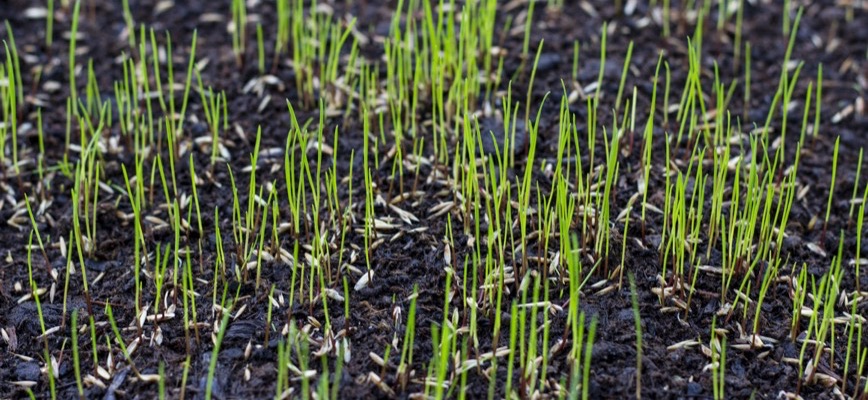
Fall is the ideal time to rejuvenate a tired, thin lawn in Maryland, and overseeding is one of the most effective ways to do it. Cooler temperatures, warm soil, and more consistent moisture create the perfect environment for new grass seed to germinate and establish before winter.
However, even with favorable conditions, many homeowners unknowingly make mistakes that limit their results. Understanding the
overseeding mistakes Maryland homeowners should avoid can mean the difference between a lush, thick lawn next spring and one that still
struggles with bare spots and weeds.
Here are the most common pitfalls—and how to avoid them.
Waiting Too Long to Overseed
One of the biggest mistakes is delaying overseeding until late fall.Grass seed needs time to germinate and develop a healthy root system before the first hard frost. In Maryland, the sweet spot for overseeding is generally from late August through September, depending on weather conditions.
Waiting until October significantly reduces the amount of time new seedlings have to mature, making them more vulnerable to winter injury.
If you're considering overseeding this season, scheduling early is always the better approach.
Skipping Core Aeration
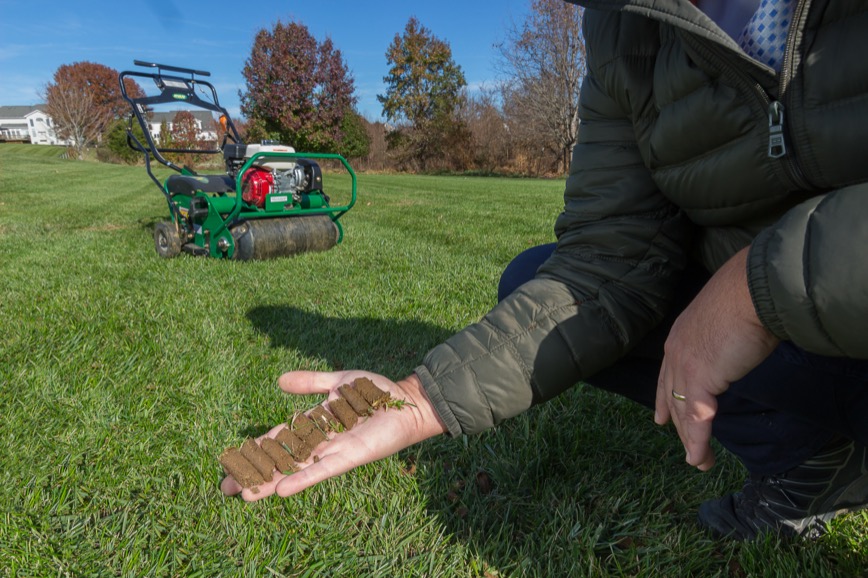
Many homeowners spread seed directly onto an existing lawn without preparing the soil.Unfortunately, seed that sits on top of compacted soil or a thick layer of thatch has poor seed-to-soil contact, leading to uneven germination and wasted seed.
Core aeration is one of the best companions to overseeding because it:
- Relieves soil compaction.
- Improves oxygen movement into the soil.
- Allows water and nutrients to penetrate deeper.
- Creates ideal pockets for seed to settle and germinate.
Using Low-Quality Seed
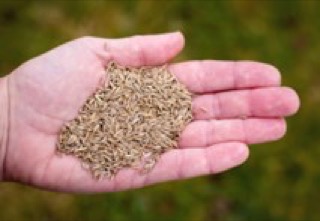
Not all grass seed is created equal.Many inexpensive retail seed blends contain high percentages of coating, filler material, annual grasses, or even weed seed. While the bag may appear to offer more coverage, much of what you're paying for isn't actually viable grass seed.
Professional lawn care companies use premium seed blends selected specifically for Maryland growing conditions, providing better germination, stronger disease resistance, and improved drought tolerance.
Higher-quality seed often costs more initially but produces much better long-term value.
Continuing Summer Watering Habits
Watering newly seeded lawns requires a different approach than watering an established lawn.A common mistake is watering deeply every few days. Instead, new seed needs consistent surface moisture during germination.
For the first few weeks:
- Water lightly once or twice daily if rainfall is lacking.
- Keep the top layer of soil consistently moist.
- Avoid creating puddles or runoff.
- Transition to deeper, less frequent watering once seedlings become established.
Mowing Too Soon—or Waiting Too Long
Many homeowners aren't sure when it's safe to mow after overseeding.Mowing too early can damage delicate seedlings before they've developed strong roots.
Waiting too long isn't ideal either, as mature existing grass can shade out young seedlings and compete for sunlight.
Generally, wait until the new grass reaches about 3½ to 4 inches before mowing, and always use a sharp mower blade. Never remove more than one-third of the grass blade in a single mowing.
Ignoring Soil Health
Healthy grass starts below the surface.Many thin lawns aren't simply suffering from a lack of grass seed—they're struggling because the soil itself isn't providing the nutrients needed for healthy growth.
Compacted soil, improper pH, and nutrient deficiencies all reduce germination success.
A professional soil test can identify:
- Soil pH issues.
- Nutrient deficiencies.
- Organic matter levels.
- Recommendations for improving soil health.
Letting Weeds Take Over
Bare areas create perfect opportunities for weeds to establish.Homeowners often assume overseeding alone will crowd weeds out, but existing weed pressure can quickly compete with young seedlings for sunlight, water, and nutrients.
Proper lawn preparation and ongoing lawn care help minimize weed competition while allowing new grass to become established.
Maintaining a thick lawn remains one of the best long-term defenses against weeds.
Trying to Do Everything at Once
Some homeowners apply fertilizer, weed control products, insect treatments, and seed all at the same time.Unfortunately, certain herbicides can prevent new seed from germinating or damage young grass seedlings.
Timing matters.
A professional lawn care program coordinates aeration, overseeding, fertilization, and future weed control applications to ensure each treatment supports the next rather than working against it.
This coordinated approach often produces faster establishment and healthier turf.
Give Your Lawn the Best Start This Fall
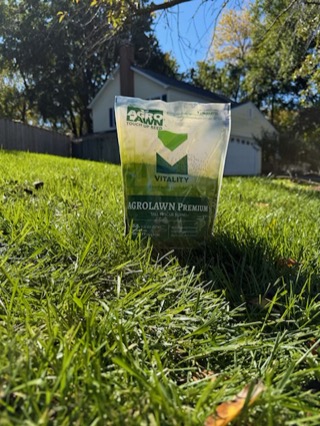
Understanding the overseeding mistakes Maryland homeowners should avoid can dramatically improve your lawn's success this season. Proper timing, quality seed, healthy soil, adequate watering, and professional preparation all work together to create a thicker, greener lawn that stands up to weeds, drought, and everyday wear.At AgroLawn, we help Maryland homeowners get the most from their fall lawn renovation with professional core aeration, premium overseeding, and customized lawn care programs designed for our region. If your lawn could use a fresh start, now is the perfect time to plan for fall success.
Contact AgroLawn today at 410-997-1742 to schedule your fall aeration and overseeding services and give your lawn the strong foundation it needs for a healthier, greener spring.